
Emergency Lighting Guides
How often should emergency lighting be tested?
Emergency lighting needs routine functional checks and periodic full-duration testing, with records and failed fittings dealt with clearly.
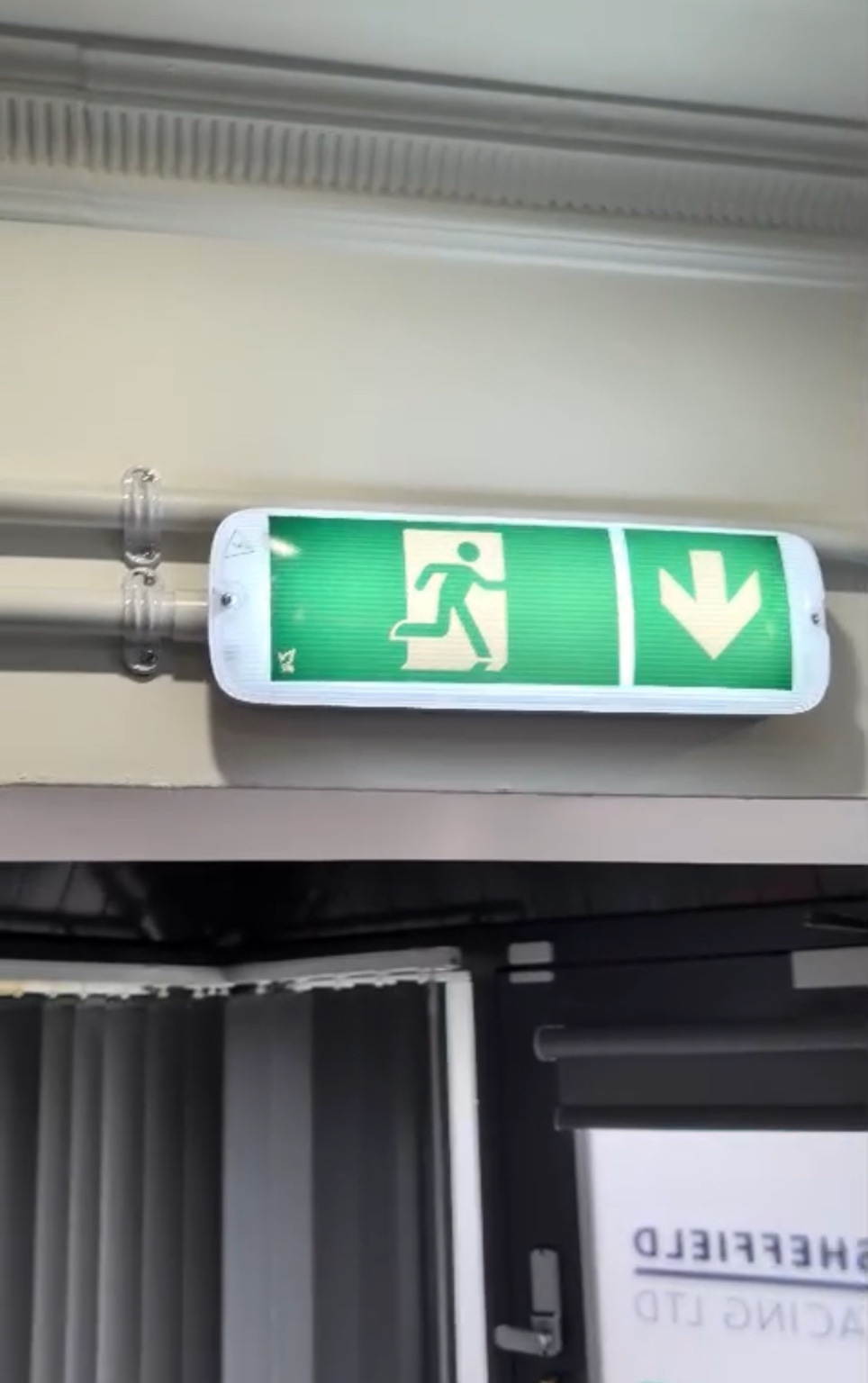
The direct answer
Emergency lighting should be checked routinely and receive a periodic full-duration test in line with the premises’ applicable requirements and maintenance plan. A common arrangement includes short monthly functional checks and an annual test for the full rated duration, often three hours.
The responsible person should confirm the correct regime for the building and keep records of checks, failures and completed remedials.
Monthly functional checks
A short functional test checks that fittings change to emergency operation and that obvious damage or failure is identified. It is not the same as proving that batteries can sustain the full rated duration.
- Check fittings illuminate in emergency mode
- Record failed lamps or indicators
- Look for damage or obstruction
- Confirm signs remain visible
- Record the date and result
- Arrange repair without waiting for the annual test
Annual duration testing
The annual test places greater demand on the batteries and confirms whether fittings can operate for the required duration. The test should be planned so the building is not left without effective emergency lighting while batteries recharge.
Large or operational sites may need phased testing, temporary controls or out-of-hours attendance.
What happens when a fitting fails
The failure should be recorded with its location and type. The responsible person then needs a repair or replacement route, followed by confirmation that the remedial work has restored the fitting.
Repeated battery failures, obsolete fittings and missing asset information may make a planned replacement programme more sensible than isolated reactive visits.
Combining visits
NOX can coordinate emergency-lighting testing with fire-alarm servicing where practical. Each service remains clearly scoped, but shared access, records and renewal planning can reduce administration.
Common questions
Can monthly checks be completed by site staff?
The responsible person should define a competent routine for the premises and keep records. Professional support is still needed for the agreed servicing and duration testing route.
Should failed fittings wait until the annual test?
No. Obvious failures should be recorded and repaired promptly rather than left until the next scheduled test.
Next step
Discuss your own property or system
This guide provides general information. Share the building, existing equipment and the work you are considering for a property-specific survey, service or quotation route.